
Transportation plays a massive role in shaping how people travel, work, explore, and connect with different parts of a country. In a nation as large and geographically diverse as Brazil, intercity travel has always been an important part of everyday life. Millions of people rely on buses to move between cities for family visits, tourism, business, education, and daily opportunities. Yet for years, many travelers faced the same problems repeatedly: expensive ticket prices, outdated booking systems, uncomfortable terminals, limited route flexibility, and inconsistent travel experiences. This is exactly where Buser entered the market and completely changed the conversation around bus transportation in Brazil.
Instead of operating like a traditional bus company, Buser introduced a technology-driven travel platform designed around affordability, convenience, and modern digital experiences. Over time, the company became one of the most talked-about mobility platforms in Brazil because it approached travel differently. Rather than simply selling tickets, Buser focused on optimizing routes, creating shared charter systems, reducing operational inefficiencies, and building a traveler-friendly ecosystem that makes intercity transportation smarter and more accessible.
Today, Buser represents far more than just bus rides. It symbolizes the modernization of ground transportation through digital innovation, lower costs, improved comfort, flexible booking experiences, and customer-focused technology. This guide explores everything about Buser, including how it works, why it became so popular, how it compares with traditional bus travel, its major features, benefits for travelers, technology ecosystem, safety measures, mobile app functionality, and why millions of Brazilians now trust the platform for affordable and efficient travel.
Understanding Buser: A New Generation of Travel
Before understanding why Buser became such a disruptive force in Brazil’s transportation industry, it’s important to understand the traditional travel landscape that existed before the platform gained popularity. For many years, long-distance bus travel in Brazil was dominated by conventional operators using fixed routes, centralized terminals, and pricing models that often left travelers with limited flexibility. While buses remained one of the most affordable transportation methods compared to flights, ticket costs could still become expensive during holidays, weekends, or high-demand periods.
Travelers frequently dealt with long queues at terminals, confusing schedules, limited online booking options, and inconsistent onboard experiences. Many younger travelers, students, and budget-conscious passengers wanted a more digital-first system similar to modern ridesharing or travel-booking platforms. Buser recognized this gap and introduced an entirely different approach based on shared charter transportation combined with intelligent technology systems.
Instead of relying purely on fixed transportation models, Buser organizes travelers heading toward similar destinations and connects them with chartered bus operators. By optimizing occupancy and reducing operational inefficiencies, the platform can often offer significantly lower prices than traditional bus services. This innovative model quickly attracted attention across Brazil because it combined affordability with convenience while maintaining a comfortable travel experience.

How Buser Works
One of the biggest reasons behind the success of Buser is its simplicity. The platform was designed to make booking intercity transportation easier, faster, and more accessible for modern travelers. Users can search for available routes directly through the website or mobile app, compare schedules, select pickup locations, and reserve seats digitally within minutes.
The process feels more similar to using a travel-tech startup than interacting with a traditional bus company. Travelers create accounts, choose destinations, view pricing transparently, and receive trip details digitally. Instead of requiring travelers to visit crowded terminals or print physical tickets, the platform centralizes everything into one streamlined experience.
Another major difference is the pickup system. Many Buser trips use strategic boarding points rather than large traditional terminals, helping reduce unnecessary delays and improving convenience for passengers. Travelers receive detailed boarding instructions, departure information, and travel updates directly through the app, which significantly improves trip organization and reduces confusion.
This technology-focused approach aligns perfectly with how younger generations prefer to travel today. Convenience, transparency, mobile accessibility, and speed are no longer optional features—they are expectations. Buser successfully built its ecosystem around these modern travel behaviors.
Why Buser Became So Popular in Brazil
The rapid rise of Buser did not happen by accident. The platform solved real problems that millions of travelers experienced regularly. One of the most significant factors behind its popularity is pricing. Long-distance transportation expenses can add up quickly, especially for students, workers commuting between cities, families, and frequent travelers. Buser introduced a system that often reduces travel costs substantially compared to traditional bus tickets.
For many travelers, the savings are dramatic enough to completely change travel behavior. People who may have avoided frequent trips due to transportation costs suddenly gained affordable access to more travel opportunities. Students could visit families more often, tourists could explore new cities without exceeding budgets, and workers gained more flexible mobility options.
Another major reason for the platform’s growth is convenience. Traditional travel systems can sometimes feel outdated, especially in an era where consumers expect digital-first experiences. Buser’s app-based approach, simplified booking system, digital communication, and transparent pricing created a smoother experience that resonated strongly with modern users.
Social media also played a massive role in the platform’s popularity. Travelers frequently shared positive experiences, price comparisons, travel tips, and referral promotions online, helping Buser grow rapidly through word-of-mouth marketing and digital communities.
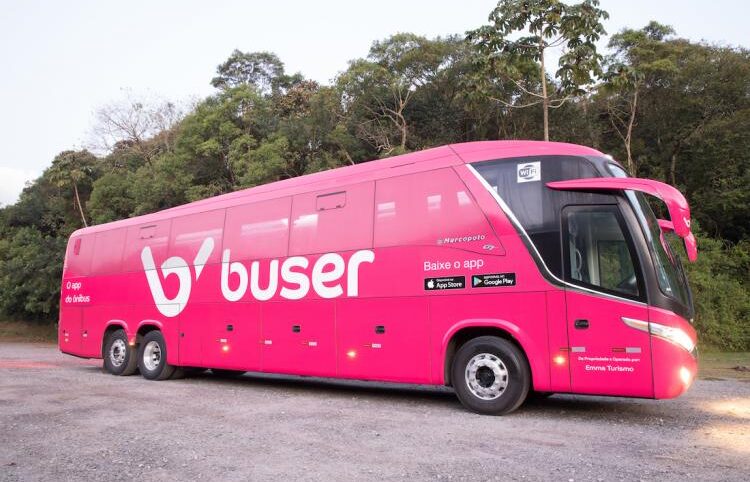
Affordability: The Biggest Game-Changer
Transportation costs significantly influence how frequently people travel. In large countries like Brazil, where distances between cities can be enormous, affordability becomes one of the most important factors in mobility decisions. This is where Buser created its strongest competitive advantage.
By optimizing seat occupancy and leveraging shared charter systems, the platform can frequently offer lower fares than conventional operators. For travelers who regularly move between cities, the long-term savings can become substantial. Instead of spending large portions of their budgets on transportation, users can allocate money toward accommodation, food, entertainment, or additional travel experiences.
Budget-conscious travelers especially appreciate this model. University students, backpackers, remote workers, young professionals, and families often prioritize cost-efficiency when choosing transportation. Buser makes long-distance travel more financially accessible without forcing passengers to sacrifice comfort or convenience.
The affordability factor also contributes to increased tourism. When transportation becomes cheaper, more people feel encouraged to explore new destinations, attend events, visit relatives, or take spontaneous trips they may have previously avoided due to cost concerns.
Comfort and Modern Travel Experience
While affordability attracts users initially, long-term customer loyalty depends heavily on comfort and reliability. One of the misconceptions people sometimes have about low-cost transportation is that lower prices automatically mean poor experiences. However, Buser works to ensure that affordability does not compromise passenger comfort.
Many buses used within the Buser network feature comfortable reclining seats, air conditioning, charging ports, onboard entertainment options, spacious seating arrangements, and clean interiors. Travelers often compare the experience favorably to conventional long-distance bus services.
The digital nature of the platform also enhances convenience throughout the journey. Passengers receive boarding information, travel updates, route details, and notifications directly through the app. This reduces confusion and improves the overall travel flow from booking to arrival.
Additionally, avoiding overly crowded traditional terminals can make the experience feel more efficient and less stressful. Many travelers appreciate simpler boarding systems and strategically selected pickup locations that minimize unnecessary delays.
The Technology Behind Buser
One reason Buser stands out in the transportation industry is its strong focus on technology. The platform is not simply a transportation provider—it operates more like a travel-tech ecosystem designed to optimize routes, occupancy, pricing, communication, and customer experiences through intelligent systems.
Digital infrastructure plays a central role in how the company manages operations. The app and website allow travelers to search routes, compare schedules, book tickets, manage reservations, receive updates, and access support seamlessly. Real-time communication helps reduce uncertainty while improving trip coordination.
Data analysis and route optimization are also crucial components. By understanding traveler demand patterns, popular destinations, seasonal traffic, and occupancy rates, the platform can organize trips more efficiently. This optimization contributes directly to lower prices and improved operational sustainability.
In many ways, Buser represents the growing trend of technology transforming traditional industries. Similar to how ridesharing apps modernized urban transportation, Buser applied digital innovation to intercity bus travel and successfully created a new category of mobility services in Brazil.

Mobile App: The Heart of the Experience
The Buser mobile app plays a central role in the overall user experience. Modern travelers expect transportation platforms to be accessible directly from smartphones, and Buser built its ecosystem around this reality.
Through the app, travelers can search destinations, reserve seats, track schedules, receive boarding information, manage payments, contact support, and view travel details in real time. Everything is designed around simplicity and accessibility.
Push notifications provide important updates regarding boarding times, delays, route changes, and trip reminders. This reduces anxiety and helps passengers stay informed without constantly checking emails or websites manually.
Another important advantage is the user-friendly interface. Travelers who may not be highly experienced with digital booking systems can still navigate the app comfortably. This accessibility helped Buser appeal to broader audiences across different age groups and traveler categories.
Safety and Reliability Measures
Safety remains one of the most important priorities in any transportation system. Travelers want affordable prices and convenience, but they also expect reliability, responsible operations, and secure travel environments. Buser places significant importance on maintaining safety standards throughout its network.
The platform partners with professional charter companies and works to ensure that operators comply with transportation regulations and operational standards. Vehicle quality, driver professionalism, and route coordination are essential components of maintaining traveler trust.
Digital communication also contributes to safety. Travelers receive clear instructions, trip details, and boarding information ahead of departures, helping reduce confusion during travel. Real-time updates allow passengers to stay informed about schedules and operational changes.
Reviews and customer feedback further help maintain accountability. Travelers frequently share experiences regarding comfort, punctuality, cleanliness, and overall trip quality, creating transparency within the ecosystem.
Environmental Impact and Shared Mobility
Sustainability has become an increasingly important topic in global transportation discussions. As cities grow and travel demand increases, efficient shared mobility systems become essential for reducing traffic congestion and environmental impact. In many ways, Buser supports this transition toward smarter collective transportation.
Shared bus transportation is generally more environmentally efficient than individual car travel for long-distance routes. When more passengers travel together in optimized occupancy systems, fuel usage per traveler decreases significantly compared to private vehicle usage.
Encouraging more people to choose collective transportation can help reduce road congestion, lower carbon emissions, and improve transportation sustainability overall. While affordability remains the main attraction for many travelers, the environmental advantages of optimized shared mobility are becoming increasingly relevant.
Younger generations especially tend to appreciate transportation systems that align with more sustainable travel behaviors. Buser’s efficiency-focused model naturally supports these broader mobility trends.
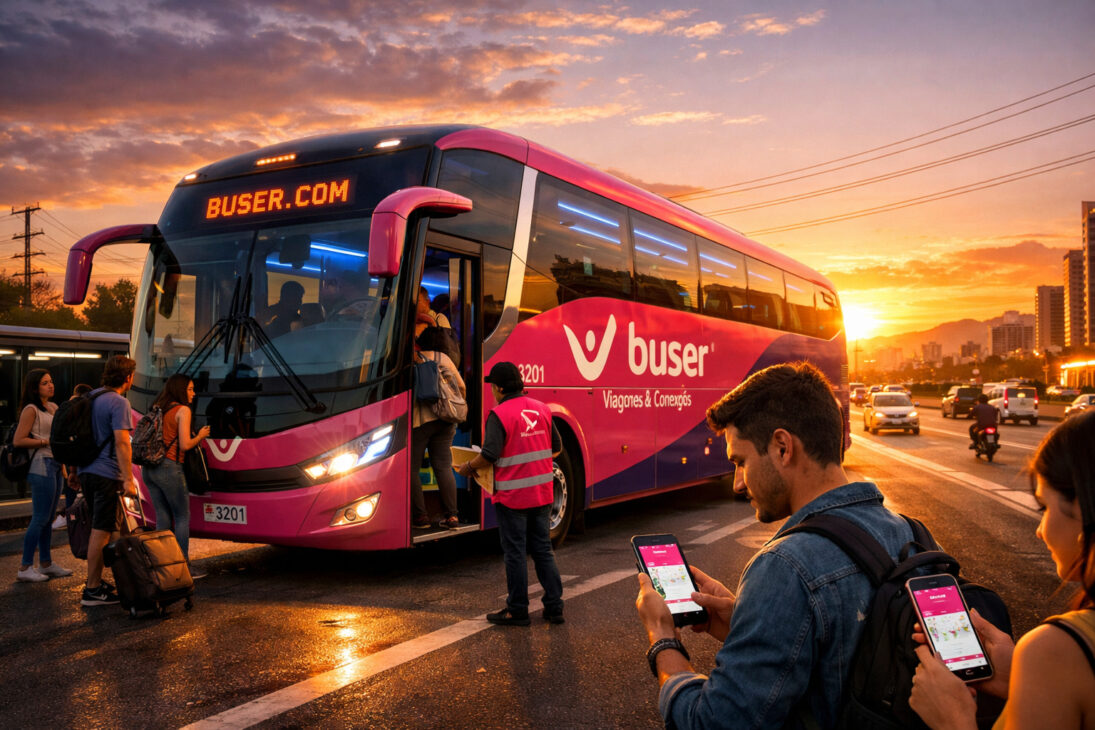
Popular Use Cases for Buser
One reason Buser appeals to such a broad audience is because it supports many different travel scenarios. Travelers use the platform for tourism, education, work, family visits, events, and spontaneous weekend trips.
Students Traveling Between Cities
Brazil has large student populations studying away from home. Affordable intercity transportation helps students visit families more frequently while keeping costs manageable.
Weekend Tourism
Budget-friendly transportation encourages more short trips and weekend travel experiences. Travelers can explore nearby destinations without spending excessively on transportation.
Business and Professional Travel
Workers and professionals moving between cities appreciate the convenience, predictable pricing, and digital booking systems that simplify travel logistics.
Family Visits
Long-distance family connections are important throughout Brazil, and affordable transportation helps families maintain stronger personal connections across regions.
Concerts, Festivals, and Events
Large events often generate significant travel demand. Buser helps attendees access major cities more affordably during concerts, festivals, sporting events, and celebrations.
How Buser Differs from Traditional Bus Companies
While traditional bus operators primarily focus on fixed transportation infrastructure, Buser positions itself as a technology-enabled mobility platform. This difference influences nearly every aspect of the customer experience.
Traditional systems often rely heavily on centralized terminals, legacy booking methods, and rigid route structures. Buser instead prioritizes digital accessibility, route optimization, flexible boarding systems, and customer convenience.
Pricing transparency is another major distinction. Travelers appreciate being able to compare options, understand pricing clearly, and book trips digitally without unnecessary complexity.
The platform’s community-driven and app-based approach also feels more modern to younger users who are already accustomed to ridesharing apps, food delivery platforms, and digital travel ecosystems.
Customer Support and User Experience
Strong customer experience is essential for any travel platform, especially one operating at large scale. Buser invests heavily in creating a smoother communication experience for travelers through digital channels and app-based support systems.
Travelers can access booking details, receive updates, manage reservations, and contact support directly through the platform. This reduces many of the frustrations traditionally associated with transportation customer service systems.
Transparency also plays a major role in user satisfaction. Clear boarding instructions, route information, schedules, and digital confirmations help passengers feel more confident and organized throughout their journeys.
Online reviews and community discussions further strengthen the platform’s ecosystem by helping new users understand what to expect before booking trips.
The Future of Smart Bus Travel in Brazil
The success of Buser reflects broader changes happening throughout the transportation industry. Consumers increasingly expect mobility services to be affordable, app-based, flexible, transparent, and technologically advanced.
As digital transformation continues reshaping transportation globally, platforms that prioritize user experience and operational efficiency will likely continue growing rapidly. Shared mobility systems, intelligent route optimization, and digitally connected travel ecosystems are becoming more important every year.
Brazil’s size and transportation demand create enormous opportunities for mobility innovation. Travelers want systems that save time, reduce stress, improve convenience, and lower costs simultaneously. Buser successfully positioned itself at the center of these changing expectations.
Future growth may include expanded routes, additional partnerships, stronger technology integration, more personalized travel experiences, and even broader mobility services beyond conventional intercity bus transportation.
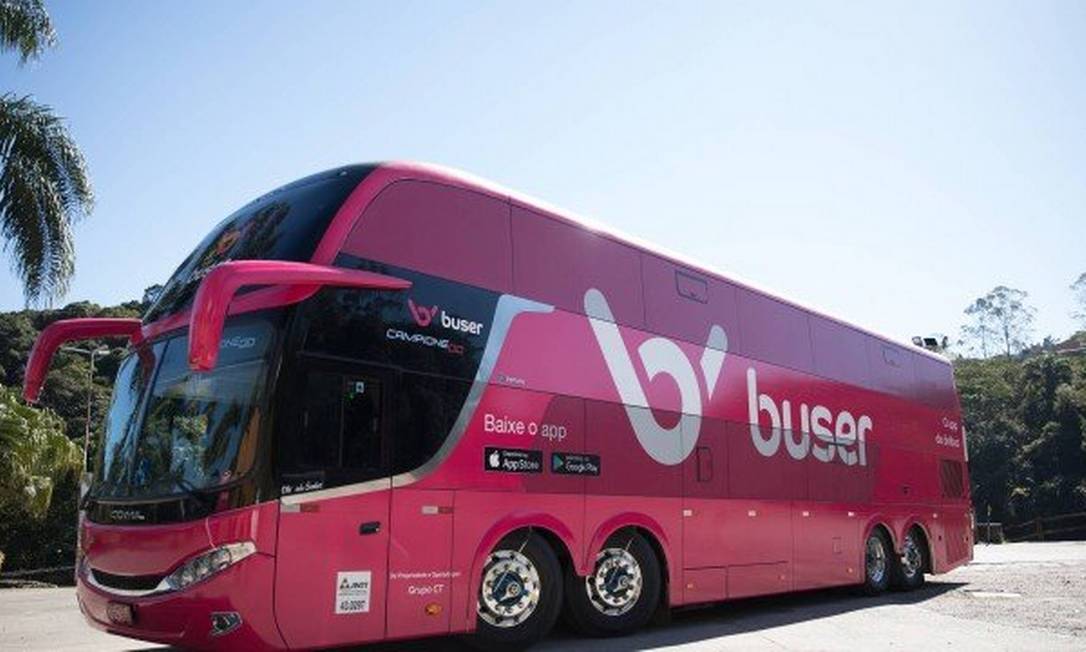
Final Thoughts: Why Buser Represents the Future of Affordable Travel
Transportation should empower people, not limit them financially or logistically. Buser transformed intercity travel in Brazil by combining affordability, technology, comfort, and convenience into one modern mobility ecosystem. Instead of relying on outdated travel processes, the platform created a digital-first experience designed around the needs of today’s travelers.
Through optimized shared transportation systems, transparent pricing, app-based accessibility, and customer-focused innovation, Buser has made long-distance travel more accessible for millions of people. Students, families, tourists, professionals, and budget travelers all benefit from a system that reduces costs while improving convenience and flexibility.
Beyond transportation itself, Buser also demonstrates how technology can modernize traditional industries in ways that directly improve everyday life. The platform reflects broader shifts toward smarter mobility, digital ecosystems, and more efficient collective transportation systems.
Whether you’re planning a weekend getaway, visiting family, exploring Brazil’s incredible destinations, attending an important event, or simply looking for a more affordable way to travel between cities, Buser offers a modern solution built for the future of transportation.
With growing popularity, strong digital infrastructure, expanding routes, and a traveler-first approach, Buser continues proving that affordable travel can also be comfortable, convenient, and highly efficient.
Note: This page includes affiliate links. If you make a purchase through them, we may receive a small commission at no extra cost to you.