Etihad Airways Review – A Deep Dive into the UAE’s Flag Carrier
Disclosure: this page contains affiliate links. We may earn a commission if you buy through them, at no extra cost to you.
Introduction
When it comes to flying from the Middle East to the rest of the world, Etihad Airways frequently appears as a name that promises more than simple point‑to‑point transportation. As the national airline of the United Arab Emirates, Etihad has cultivated a brand identity centered on premium travel experiences and a consistently high level of customer service. Headquartered in Abu Dhabi, the carrier operates both domestic and international flights, linking a broad network of destinations across the globe. In this review we will unpack the elements that make Etihad distinctive, balance its advantages against potential drawbacks, and help you decide if its service model aligns with your travel preferences. The discussion will delve into cabin design philosophy, the subtleties of the airline’s service culture, the strategic advantages of the Abu Dhabi hub, and the practical considerations every prospective passenger should weigh before confirming a reservation.
Choosing the right airline is rarely a matter of a single data point; it is an assessment of an entire journey ecosystem. Think about the moment you land on the airline’s website, the clarity of the booking flow, the ease of managing reservations, and the options for seat selection. Then consider the airport experience: check‑in counters, self‑service kiosks, security lanes, and lounge access for eligible travelers. Once on board, the cabin environment—seat width, legroom, noise insulation, and lighting—directly influences comfort, especially on long‑haul flights. In‑flight amenities such as meal service, entertainment libraries, Wi‑Fi availability, and the attentiveness of cabin crew further shape the perception of “premium.” Finally, the post‑flight stage—baggage claim efficiency, ground transportation partnerships, and loyalty programme support—completes the loop. Etihad positions itself as an airline that pays deliberate attention to each of these touchpoints, aiming to turn ordinary travel into a seamless, stress‑reduced experience.
For frequent flyers, business travelers, and leisure tourists alike, Etihad’s promise of a “luxurious experience that begins the moment you step into the airport” can translate into tangible benefits. Business travelers may value quiet lounges equipped with workstations and reliable Wi‑Fi, allowing them to finalize presentations before take‑off. Families on vacation often appreciate the airline’s family‑friendly policies, such as pre‑boarding for children and the availability of bassinets on long‑haul routes. Solo adventurers might enjoy the social atmosphere of the Business Class cabin, where networking opportunities arise naturally. By examining each phase of the travel experience, you can gauge whether Etihad’s approach aligns with your priorities—whether those are productivity, comfort, cultural immersion, or simply a smoother journey.
The sections that follow will explore Etihad’s core offerings in depth, place them side‑by‑side with typical competitor characteristics, outline a practical buying checklist, and provide a balanced view of strengths and potential limitations. By the end of this extensive review you should have a clear picture of how Etihad fits into your personal travel hierarchy and concrete tips for maximizing the value of its services should you decide to fly with the airline.
Quick Comparison Table
| Feature |
Etihad Airways |
Typical Competitor |
| Headquarters |
Abu Dhabi, UAE |
Varies |
| Cabin Classes |
Economy, Business, First |
Economy & Business (First optional) |
| Network |
Worldwide destinations |
Regional or limited global reach |
| Service Reputation |
Known for premium service |
Varies by airline |
Why Etabai Stands Out
Etihad’s brand promise revolves around delivering a luxurious experience that begins the moment you step into the airport and continues through the flight. Below are the key pillars that differentiate it from many other carriers. Each pillar is examined not only in terms of what the airline advertises, but also how it manifests in real‑world travel scenarios, offering you concrete examples to gauge relevance to your own trips.
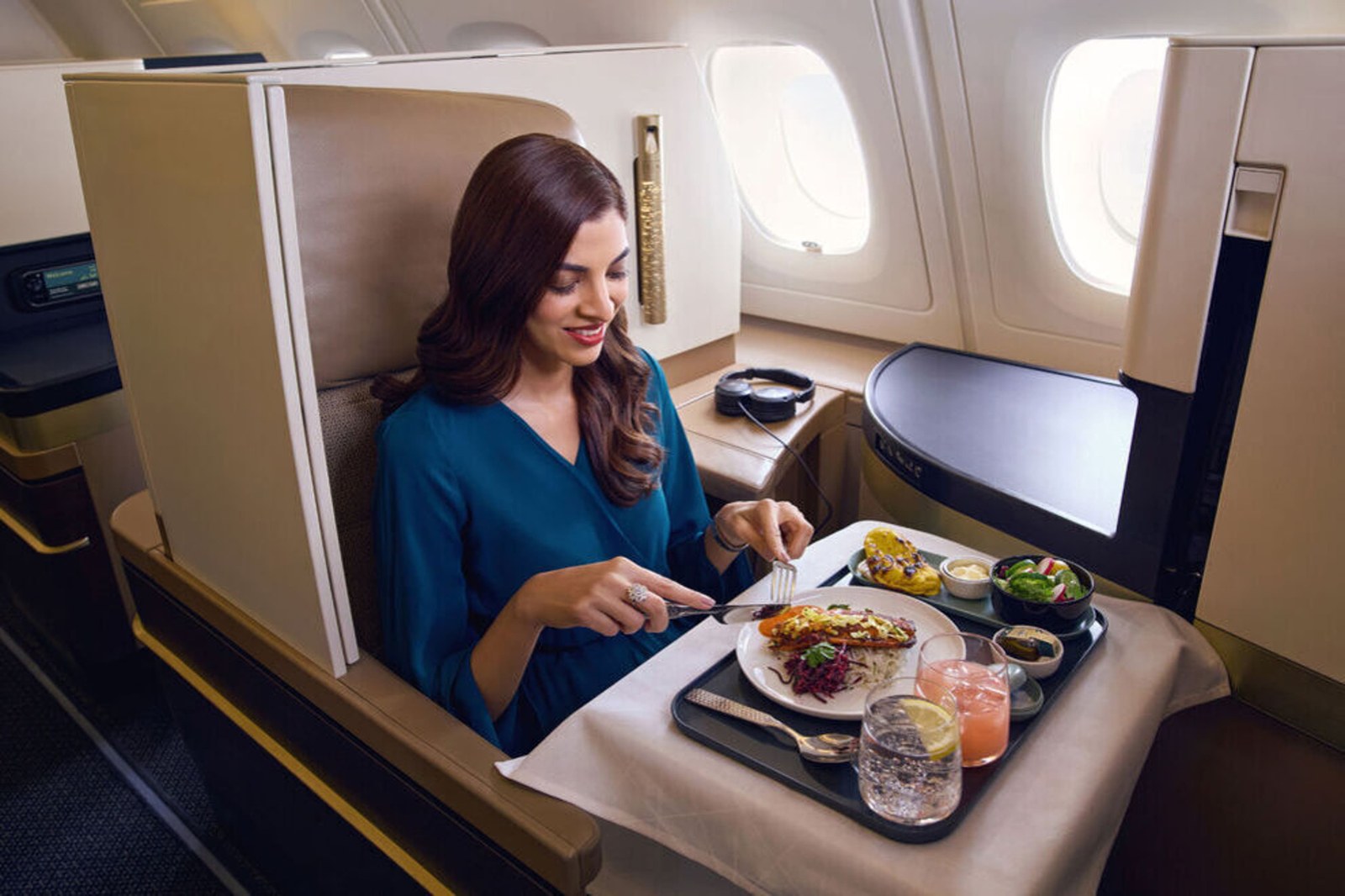
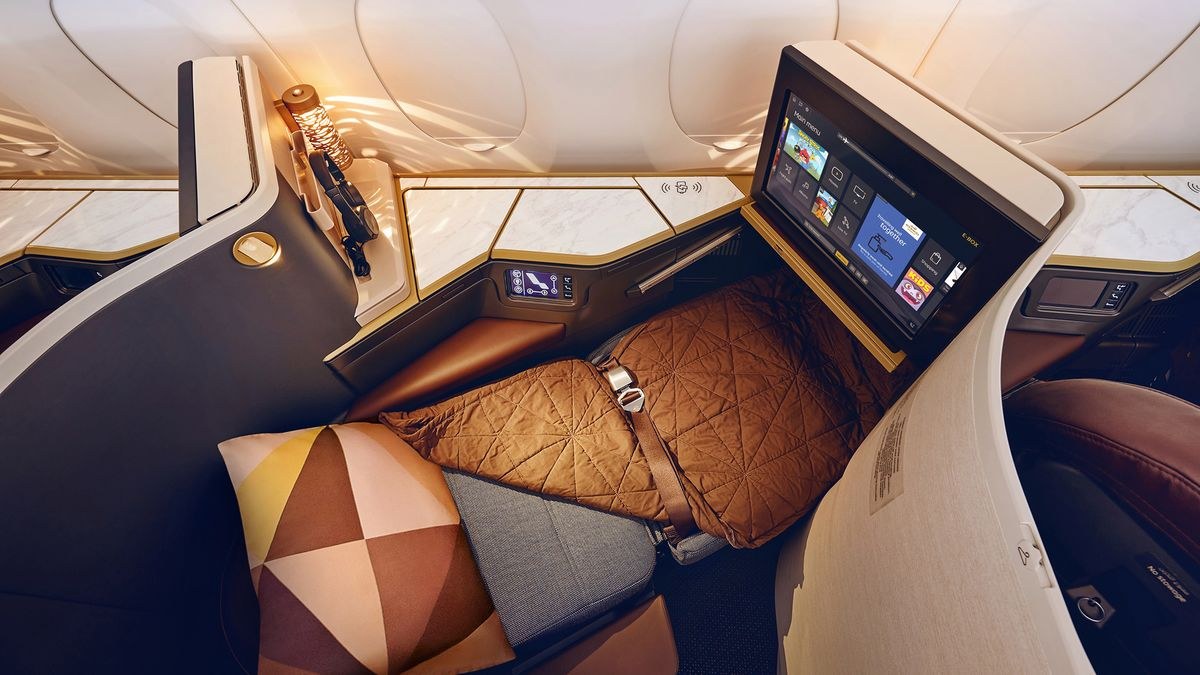
- Premium Cabin Offerings: Etihad’s cabin architecture is built around three core ideas – space, privacy and ergonomic comfort. In First Class, the seat transforms into a fully enclosed suite with a sliding door, a dedicated sleeping area, and a personal wardrobe. The on‑demand dining service works like a fine‑dining restaurant: you can order from a curated menu at any time, and the meal is presented on a compact table that folds away when not in use. Business Class seats typically convert into fully flat beds, and many aircraft feature a 1‑2‑1 layout that guarantees direct aisle access for every passenger, eliminating the need to climb over a neighbour to reach the aisle. The entertainment system offers a high‑definition screen of at least 15 inches, a noise‑cancelling headset, and a library that includes movies, TV series, music and games. Economy Class, while more modest, still benefits from a seat pitch that often exceeds the industry average, adjustable headrests, and a well‑maintained inflight entertainment catalog. The practical impact of these designs becomes evident on long‑haul routes such as Abu Dhabi–New York. Travelers who select a seat with a direct aisle and a fully flat bed report arriving feeling less fatigued, reporting that the ability to stretch out and sleep in a horizontal position makes the 14‑hour journey feel more manageable.
- Service Culture: Etihad invests heavily in training its cabin crew to deliver a service that feels personal rather than scripted. Flight attendants undergo modules that cover cultural sensitivity, proactive problem‑solving and the art of anticipating passenger needs. For instance, on a recent flight from Abu Dhabi to Sydney, a crew member noticed a passenger squinting under the cabin lighting. The attendant quietly dimmed the lights, offered a pair of reading glasses and added a complimentary amenity kit that included a sleep mask. Such gestures illustrate how the airline’s service culture translates into tangible comfort, especially for families with young children who may need extra blankets, or business travellers who require a quiet environment to finalize a presentation. The crew’s willingness to adapt the cabin environment on the fly can turn a routine flight into a memorable experience.
- Global Reach: Etihad operates flights to destinations across six continents, linking the Middle East to major hubs in Europe, Asia, Africa, North America and South America. This breadth enables passengers to craft complex itineraries while staying within a single airline’s network. For example, a traveller departing from Dubai who wishes to reach the Baltic capital of Tallinn can book an Etihad ticket that connects through Abu Dhabi, then continues on a partner flight that is marketed and ticketed by Etihad. The advantage is two‑fold: baggage handling is streamlined because the airline coordinates the transfer, and loyalty points are earned on a single ticket, avoiding the fragmentation that often occurs when multiple carriers are involved.
- Hub Advantage: Abu Dhabi International Airport (AUH) was purpose‑built around Etihad’s operational needs, creating a hub experience that feels less congested than legacy airports handling dozens of airlines. Dedicated Etihad lounges sit adjacent to the gates used by the airline, offering quiet workspaces, high‑speed Wi‑Fi, showers, fine‑dining options and direct boarding gates that eliminate long walks through busy terminals. Because the hub’s layout aligns with Etihad’s flight schedules, transfer times are frequently shorter. A business traveller with a tight connection can move from a departing gate to an arrival gate within ten minutes, often without needing to pass through additional security checks. The combination of spacious terminals, clear signage and airline‑specific services contributes to a smoother connection experience, which is especially valuable for passengers on tight schedules or those who simply value a stress‑free airport journey.
Buying Checklist – What to Look for Before Booking
Choosing the right flight involves more than picking a date and destination. Below is a comprehensive checklist that helps you assess whether a particular Etihad flight aligns with your preferences and practical requirements.
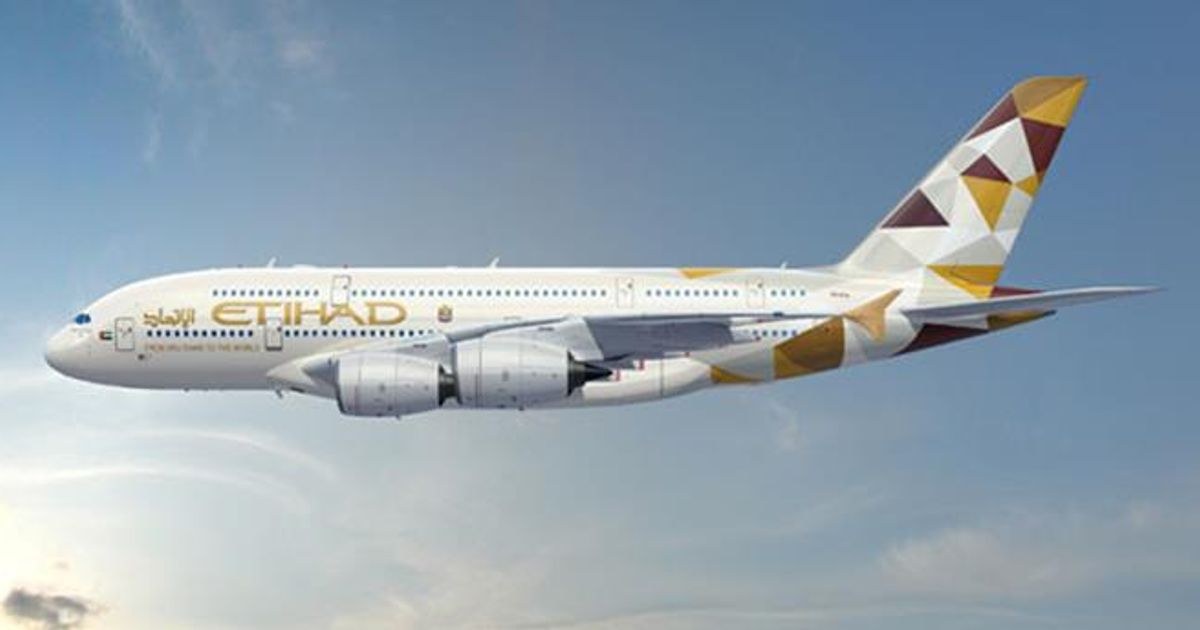
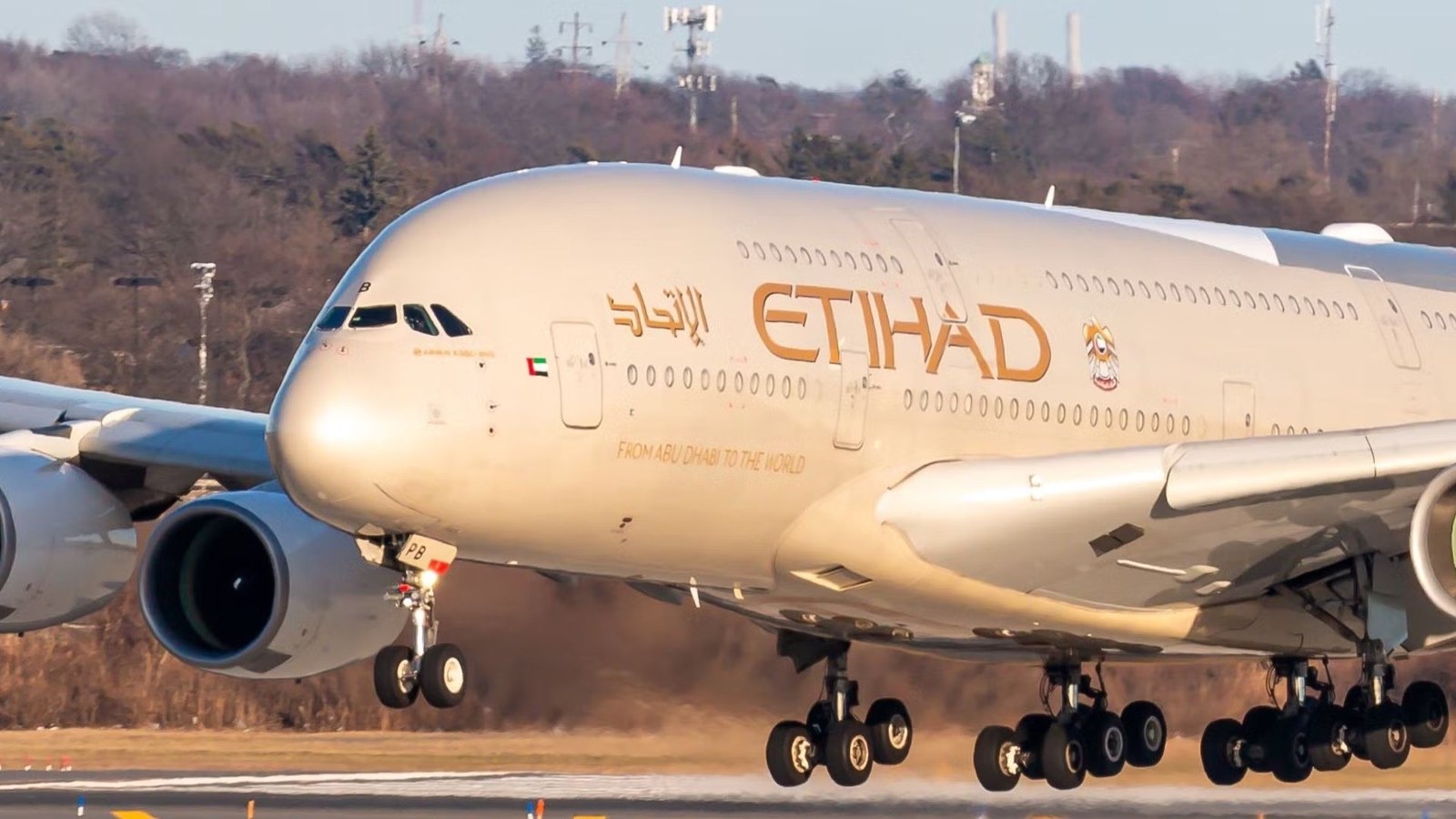
- Class Configuration for Your Route: Etihad’s fleet includes Airbus A380, Boeing 787 and other wide‑body aircraft, each with its own cabin layout. Business Class on the A380 often follows a 1‑2‑1 configuration, ensuring every seat has direct aisle access and a window view, while the 787 may use a 2‑2‑2 layout on certain routes. Before you finalize a booking, verify the aircraft type shown on the booking page, open the seat map, and confirm that the seat you intend to select offers the privacy, legroom and aisle access you need. For long‑haul journeys, a seat with a direct aisle and a fully flat bed can make a significant difference to sleep quality and overall comfort.
- Luggage Allowance: Etihad generally offers generous checked‑baggage allowances, but the exact weight and number of pieces can vary by fare class and route. For instance, a Business Class ticket on an intercontinental flight typically includes two pieces of 32 kg each, while Economy may allow one piece of 23 kg. If you are travelling with sports equipment, musical instruments or oversized items, check the official site for special‑item policies and any potential additional fees. Knowing the allowance ahead of time helps you pack efficiently and avoid surprise charges at the airport.
- Transit Visa Requirements: A layover in Abu Dhabi may or may not require a transit visa, depending on your nationality and the length of your stopover. Many travellers benefit from a visa‑on‑arrival or an exemption for stays under 24 hours, but the rules can shift. Use Etihad’s visa‑information tool on the official website to confirm whether you need to apply for a transit visa in advance, and make note of any documentation (such as a hotel reservation) that may be required for entry.
- Special Meal Options: Etihad’s menu includes vegetarian, vegan, kosher, halal, gluten‑free and other specialty meals. These must be requested at least 24 hours before departure through the “Manage Booking” portal. Early request ensures the catering team can source the appropriate ingredients and prepare the meal without compromising quality. If you have a medical dietary restriction, you may also upload a supporting document to guarantee that the airline can meet your needs.
- Lounge Access Policy: Access to Etihad’s flagship lounges depends on ticket class, frequent‑flyer tier and certain credit‑card partnerships. First and Business Class passengers receive automatic entry, while Economy passengers can purchase a lounge pass or gain access through elite status in Etihad Guest. Before you travel, review the lounge amenities—high‑speed internet, private workstations, shower facilities, and a selection of premium food and beverage. If you anticipate needing a quiet place to work or refresh before a long flight, factoring lounge access into your budget can improve the overall travel experience.
- In‑Flight Connectivity: For business travellers, reliable Wi‑Fi can be essential. Etihad provides internet connectivity on many of its long‑haul aircraft, though speed and pricing differ by aircraft type. Check the flight details on the booking page to see whether Wi‑Fi is available, and consider pre‑purchasing a data package if you anticipate heavy usage. Having connectivity arranged ahead of time prevents the need to make on‑board purchases at a premium rate.
- Seat Selection Fees: Etihad’s policy on seat selection varies by fare type. Some Economy fares include free selection of standard seats, while others charge a fee for seats with extra legroom or preferred location. If you value a specific seat—such as an aisle seat for easy bathroom access or a window seat for views—review the fare conditions before confirming. Understanding whether a fee applies helps you avoid unexpected costs and ensures you secure the seat that best suits your travel style.
Pros and Cons
Pros
- High‑quality cabin interiors across all classes: Etihad’s cabins are designed to feel spacious even on long‑haul flights. Modern seat frames support a wide range of body types, while the upholstery uses breathable fabrics that reduce heat buildup. Each seat is equipped with a high‑resolution, touchscreen entertainment system that stores a rotating library of movies, TV series and music. Ambient lighting follows a carefully programmed schedule—brightening during take‑off, dimming for meal service and shifting to a soothing blue hue for night‑time sleep—helping passengers adapt to changing time zones and reduce jet lag.
- Strong emphasis on customer service and staff professionalism: The airline’s recruitment process selects candidates with multilingual abilities and a service‑oriented mindset. Once hired, crew members undergo a rigorous training curriculum that includes scenario‑based drills for medical emergencies, cultural etiquette workshops, and modules on proactive problem‑solving. As a result, passengers often notice crew members offering assistance before a request is made, such as providing extra pillows to a passenger with a neck injury or guiding families with young children to quieter sections of the cabin.
- Extensive route network that connects the Middle East with Europe, Asia, Africa, and the Americas: Because Etihad operates flights to major hubs on every continent, travelers can book a single ticket that strings together multiple legs— for example, a business traveler can fly from Abu Abu Dhabi to London, then onward to New York, and finally to São Paulo without changing airlines. This seamless connectivity reduces the risk of missed connections, simplifies baggage handling (checked bags are usually transferred automatically), and often results in lower overall travel costs compared with booking separate airlines for each segment.
- Modern fleet with newer aircraft on many long‑haul routes: The airline’s investment in aircraft such as the Airbus A350 and Boeing 787 Dreamliner means that a large proportion of its long‑distance services feature quieter cabins, lower cabin altitude and higher humidity levels. These technical improvements help reduce common fatigue symptoms, like dehydration and swelling, especially on flights that exceed eight hours. Additionally, newer engines are more fuel‑efficient, which indirectly supports Etihad’s sustainability goals.
- Abu Dhabi hub provides efficient connections and premium lounges: Abu Dhabi International Airport’s terminal layout clusters Etihad gates together, minimizing the walking distance between arrival and departure doors. The airline’s dedicated lounges—such as the Emirates Palace lounge for First and Business class passengers—offer a range of amenities: private workstations with power outlets, quiet meditation rooms, and a selection of gourmet dishes prepared by renowned chefs. For travelers who need to catch up on work or simply unwind, these lounges turn a layover into a productive or restorative experience.
- Comprehensive loyalty program (Etihad Guest) that rewards frequent flyers with upgrades, lounge access, and partner benefits: Even occasional flyers can accumulate Etihad Guest miles by booking flights, using co‑branded credit cards, or staying at partner hotels. Accumulated miles can be redeemed for seat upgrades, extra baggage allowance, or access to the premium lounges. The program also allows members to pool miles with family accounts, making it easier to achieve reward thresholds faster.
- Environmental initiatives such as carbon‑offset programs and investment in sustainable aviation fuel: Etihad has introduced a voluntary carbon‑offset option that lets passengers contribute to projects like reforestation and renewable energy generation. The airline also participates in industry pilots that test SAF (sustainable aviation fuel) blends on selected routes. For travelers who prioritize eco‑friendly choices, these programs provide a tangible way to mitigate the environmental impact of air travel.
Cons
- Fare structures can vary widely; exact pricing must be checked on the official site: Etihad’s flexible fare categories mean that the base price may not include services that some passengers assume are standard, such as checked baggage, seat selection or meal upgrades. While this flexibility can be advantageous for those who travel light, it also requires travelers to review the fare conditions carefully and add any needed extras during the booking process to avoid unexpected costs at the airport.
- Some regional routes may operate smaller aircraft with reduced amenities: Flights that connect Abu Dhabi with nearby Gulf cities or short‑haul domestic routes often use narrow‑body jets. These aircraft typically have a more limited seat pitch and may lack the full suite of inflight entertainment screens found on long‑haul planes. Passengers on such routes should anticipate a more basic cabin product and may want to bring personal entertainment devices.
- Depending on the route, flight frequency may be limited compared to low‑cost carriers: On highly competitive corridors—such as the short hop between Abu Dhabi and Dubai—Etihad may schedule only a few departures per day. Travelers needing very specific departure times might need to consider alternative airlines or adjust their itinerary to match the available slots, especially during peak travel seasons.
- In‑flight connectivity fees can be higher than some competitors: While Etihad offers Wi‑Fi on most of its fleet, the pricing packages are tiered by data volume and duration. Business travelers who rely on constant internet access for video conferences or large file transfers may find the cost of a full‑flight pass comparatively steep. It is advisable to evaluate the expected data usage beforehand and compare the cost against the perceived benefit of staying connected throughout the journey.
- Transit visa requirements for certain nationalities can add administrative steps: Passengers from countries that do not enjoy visa‑free transit in the UAE must secure a transit visa prior to arrival. This process can involve submitting documentation, paying a fee and allowing several days for processing. For last‑minute travelers, the additional paperwork may pose a hurdle, so checking the visa policy early in the planning stage is essential to avoid disruptions.
Who It Is For and Who Should Skip It
Ideal for: Travelers who place comfort, service quality, and a seamless international connection experience at the top of their priority list will find Etihad Airways to be a natural fit. The airline’s cabin configurations—from Economy to Business and First Class—are designed to cater to a spectrum of needs, but the common denominator is an emphasis on space, thoughtful amenities, and attentive cabin crew. Business travelers, for example, often benefit from the dedicated business lounges in Abu Abu Dhabi, the ability to work on larger seat-back screens, and the availability of power outlets throughout the cabin. Families looking for a more relaxed journey can appreciate the child‑friendly meal options, the availability of bassinets on long‑haul flights, and the extra legroom that can make a multi‑hour flight feel less taxing for both parents and children. Premium‑focused leisure travelers—those who enjoy a touch of luxury even on vacation—will value the enhanced dining experiences, the high‑quality bedding in Business and First Class, and the personalized service that can turn a simple trip into a memorable event.
Beyond these core groups, Etihad’s network of connections through its Abu Dhabi hub also makes it attractive for travelers who need to stitch together multi‑city itineraries. For instance, a passenger flying from a smaller regional airport in the Middle East to a far‑off destination in South America may find that Etihad’s hub‑and‑spoke model offers a smoother transfer than piecing together separate tickets with multiple low‑cost carriers. The airline’s emphasis on punctuality and coordinated ground handling helps reduce layover stress, especially for those with tight connection windows.
May not suit: While Etihad excels in delivering a premium experience, it may not be the optimal choice for budget‑conscious travelers whose primary goal is to secure the lowest possible fare. The airline’s fare structures typically reflect the higher level of service and amenities, which means that a traveler focused solely on price might encounter cheaper alternatives on low‑cost carriers, especially for short‑haul routes. Additionally, passengers whose itineraries consist mainly of multiple short‑haul flights—such as domestic commuters or regional hop‑on‑hop‑off travelers—might find that airlines specializing in high‑frequency, point‑to‑point services provide more convenient scheduling and quicker turnaround times. In such cases, the added benefits of Etihad’s cabin comfort and lounge access may not outweigh the practicality of a carrier that offers more frequent departures and a simpler boarding process for short legs.
Another scenario where Etihad may be less suitable involves travelers with very specific loyalty program goals. If a passenger’s existing frequent‑flyer status is tied to a different airline alliance or a competing loyalty program, the effort required to accumulate meaningful tier points with Etihad could be seen as an unnecessary diversion, especially when the traveler’s typical route network does not intersect frequently with Etihad’s hubs. In those situations, sticking with a carrier that aligns directly with the traveler’s existing program may provide more tangible benefits.
Frequently Asked Questions
- Does Etihad offer a frequent flyer program? Yes, Etopian operates a loyalty scheme that rewards repeat travel with points that can be redeemed for upgrades, extra baggage, or partner services. The exact structure—such as how many points are earned per flight, the thresholds for each tier, and the specific benefits attached to those tiers—can differ based on the fare class you purchase and the routes you fly. Because the program is periodically refreshed, the most reliable source for current tier privileges, redemption options, and any promotional offers is the official Etihad website.
- What baggage allowance is provided? Baggage rules are not one‑size‑fits‑all; they hinge on the cabin you travel in (Economy, Business, or First Class) and the fare type you select. Generally, premium cabins allow a higher number of checked pieces and greater weight limits, while economy fares may be more restrictive. Hand‑carry allowances also vary, especially for passengers traveling on short‑haul versus long‑haul flights. To avoid surprises at the airport, consult the airline’s online baggage calculator for your specific itinerary, which details both checked and cabin baggage limits for each segment.
- Can I change or cancel my booking? Etihad’s flexibility policies are linked to the fare conditions you agree to at purchase. Some fares are fully refundable and permit changes with little or no fee, while others are more restrictive, allowing only a limited number of amendments or charging a handling fee. The process typically involves logging into your booking portal, selecting the “manage booking” option, and following the prompts. For the most accurate guidance—especially if you booked through a travel agent or a third‑party site—review the fare rules on the airline’s website or contact their customer service directly.
- Are meals included on all flights? On most international routes, Etihad serves complimentary meals that reflect the culinary standards of the cabin class. Economy passengers receive a standard main course with a choice of beverages, while Business and First Class travelers enjoy multi‑course menus, premium wine selections, and the ability to pre‑order special meals (such as vegetarian, vegan, or gluten‑free options) up to 24 hours before departure. Domestic flights may feature a lighter snack service or a buy‑on‑board menu, depending on aircraft type and route length. Checking the in‑flight service page for your specific flight will confirm what is offered.
- How do I access the Abu Dhabi lounge? Access to Etihad’s flagship lounges in Abu Dhabi is typically granted to Business and First Class ticket holders, as well as members who have reached the appropriate tier in the loyalty program. Some premium credit cards also extend lounge privileges. If you qualify, you can present your boarding pass and, where required, your frequent‑flyer card at the lounge entrance. For travelers who do not automatically qualify, Etihad sometimes offers paid day passes, but availability varies, so it’s wise to verify the current policy on the airline’s lounge access page before you travel.
- Is in‑flight Wi‑Fi available? Many of Etihad’s long‑haul aircraft are equipped with satellite‑based Wi‑Fi, allowing passengers to browse the web, stream content, or stay connected for work. The service is usually offered as a paid option, though some premium cabins may include complimentary access. Availability depends on the aircraft type, the route’s coverage area, and any regulatory restrictions. Before you board, check the flight’s details in your booking confirmation; there you’ll find a link to the Wi‑Fi pricing and speed information for that specific journey.
- What health and safety measures are in place? Etihad follows the global health standards set by organizations such as the WHO and IATA. Enhanced cleaning protocols are applied to high‑touch surfaces, and many aircraft feature HEPA filtration systems that refresh cabin air every few minutes. Passengers are often given the option to wear masks, and hand‑sanitizer stations are placed throughout the cabin and at gate areas. For any travel‑related health concerns—like vaccination requirements or testing protocols—review the airline’s health advisory page, which is regularly updated to reflect the latest guidelines.
- Do they offer special assistance for passengers with reduced mobility? Yes, Etihad provides a range of assistance services, including wheelchair support, priority boarding, and help with connecting flights. To ensure these services are available when you need them, you should request assistance at the time of booking or contact the airline’s dedicated support team at least 48 hours before departure. The team will confirm the type of assistance you require and coordinate with ground staff at both the departure and arrival airports, making the journey smoother and more comfortable.
Conclusion
Etihad Airways presents a compelling blend of premium service, a modern fleet, and a broad international network that makes it a strong contender for travelers seeking a high‑quality flying experience. While it may not always be the cheapest option, the value delivered through comfort, service, and connectivity often justifies the price for many passengers. If you’re looking for an airline that emphasizes a refined travel journey from Abu Dhabi to destinations worldwide, Etihad Airways is worth a closer look.
Ready to explore what Etihad can do for your next trip? Visit the official site and start planning today.
For an easy way to compare Etihad with other airlines, check out our detailed guide on CompareBest.