Vivobarefoot Brand Review – Minimalist Footwear that Lets You Feel the Ground
Disclosure: this page contains affiliate links. We may earn a commission if you buy through them, at no extra cost to you.
Introduction
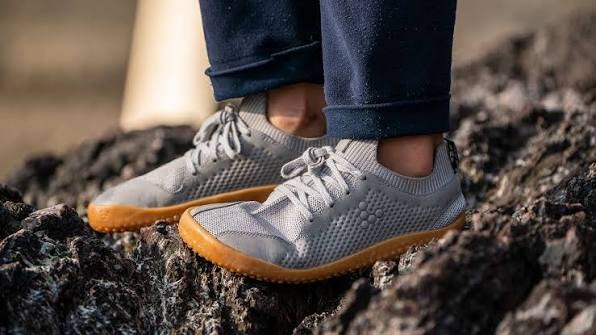
When it comes to shoes that promise a more natural connection with the ground, Vivobarefoot is one of the few brands that consistently puts foot health and sustainability front‑and‑center. Specialising in barefoot and minimalist shoes, the company designs lightweight footwear with wide toe boxes and thin, flexible soles that aim to encourage natural foot movement. In this review we’ll explore the brand’s philosophy, product range, and whether its shoes are a good fit for your daily life. We’ll also look at practical considerations such as how to transition safely, what types of activities benefit most from the design, and how the brand’s environmental commitments align with the growing demand for responsible fashion.
Beyond the headline claims, Vivobarefoot’s approach invites a deeper look at the anatomy of the foot and how conventional shoes can sometimes interfere with the body’s innate biomechanics. By examining the science behind barefoot‑style footwear, we can understand why a shoe that feels “different” might actually be supporting long‑term health. Throughout this section we’ll weave in real‑world scenarios—like a commuter navigating city sidewalks, a weekend trail runner, and a parent selecting shoes for a growing child—to illustrate how the brand’s core principles translate into everyday use.
Quick Comparison Table
| Feature |
Vivobarefoot |
Typical Competitor |
| Design focus |
Minimalist, wide toe box, thin sole |
Varies – often more cushioning, narrower toe |
| Target audience |
Men, women, children seeking natural foot function |
Broad, but less emphasis on barefoot mechanics |
| Sustainability |
Eco‑friendly materials, conscious production |
Varies, many use conventional synthetics |
| Product range |
Running, hiking, casual, everyday trainers |
Often limited to specific categories |
| Fit philosophy |
Wide toe box for natural splay |
Standard width options |
The table above captures the high‑level distinctions without delving into proprietary specifications. If you need precise material lists, weight metrics, or durability data, those details vary across individual models and are best confirmed on the official site.
Why Vivobarefoot Stands Out
Vivobarefoot’s distinctiveness lies in three core pillars: natural foot mechanics, lightweight construction, and a commitment to sustainability. Each pillar interacts with the others, creating a holistic experience that goes beyond the look of a shoe.
Natural Foot Mechanics
Human feet have evolved to move across varied terrain with a complex set of muscles, tendons, and ligaments that work together to provide balance, propulsion, and shock absorption. Traditional shoes often incorporate thick midsoles, arch supports, and restrictive uppers that can limit the foot’s ability to perform these functions. Vivobarefoot’s design philosophy deliberately removes or reduces these elements. By offering a thin, flexible sole, the shoe allows the foot to feel subtle changes in texture—whether that’s a cracked sidewalk, a gravel path, or a forest trail. This heightened proprioceptive feedback encourages the foot muscles to activate more naturally, which can lead to increased strength and better alignment over time.
For example, a runner transitioning from a heavily cushioned shoe to a Vivobarefoot model may notice an initial sensation of “hardness.” However, with a gradual adaptation plan—starting with short, low‑intensity runs on soft surfaces—the foot gradually builds the musculature required for a smoother stride. The same principle applies to everyday walking: a commuter who spends hours on concrete may feel less fatigue because the foot is able to roll through each step more efficiently.
Wide Toe Box
The toe box is arguably the most critical element for natural foot health. In a barefoot or minimalist shoe, the toes need space to splay—spread outward—as the foot contacts the ground. This splay improves stability, distributes pressure more evenly across the forefoot, and reduces the risk of common issues such as bunions, hammer toes, and metatarsalgia.
Vivobarefoot’s consistently wide toe boxes mean that even people with broader forefeet can find a comfortable fit without resorting to “size up” strategies that compromise overall shoe geometry. In practice, this translates to a feeling of freedom when you stand still: the toes can relax, spread, and grip the surface in a way that feels instinctive. For parents selecting shoes for children, the roomy toe box supports healthy foot development during critical growth phases, allowing the small foot to explore natural movements without being constrained.
Lightweight, Flexible Construction
Weight is a subtle but powerful factor in footwear performance. A lighter shoe reduces the energy cost of each step, which can be especially noticeable during long runs or extended days on your feet. Vivobarefoot’s use of thin soles and minimal uppers keeps the overall mass low while still providing enough protection against common hazards such as sharp objects or uneven terrain.
Flexibility works hand‑in‑hand with weight. A shoe that bends easily at the forefoot encourages a more natural roll‑through motion, mirroring the way the foot would move if it were barefoot. This flexibility also aids in quick directional changes—useful for trail runners navigating switchbacks or city dwellers weaving through crowds. Because the shoe does not have a stiff, heavy heel counter, the wearer experiences a smoother transition from heel strike to toe‑off, which can improve cadence and reduce impact forces.
Sustainable Materials & Production
In addition to biomechanical benefits, Vivobarefoot places a clear emphasis on environmental stewardship. The brand sources recycled polyester, bio‑based fabrics, and responsibly harvested natural materials where possible. Production processes aim to minimize waste, and the company often reports on its carbon footprint reduction initiatives. While exact percentages vary by model, the overarching commitment is to create footwear that respects both the wearer’s health and the planet’s health.
For consumers who track their personal sustainability metrics—such as carbon emissions saved through product choices—Vivobarefoot offers a tangible way to align footwear decisions with broader ethical values. The brand’s transparency about material sourcing means shoppers can verify claims on the official site, ensuring that the environmental narrative matches the actual product.
Combined, these pillars make Vivobarefoot shoes feel almost like a second skin: protective enough for most urban and trail environments, yet permissive enough to let the foot move as nature intended.
Pros and Cons
- Pros
- Encourages natural foot function and muscle development by allowing the foot to move freely.
- Lightweight, flexible soles improve ground feel and reduce fatigue during long periods of wear.
- Wide toe box reduces pressure on the forefoot, supporting balance and preventing common deformities.
- Sustainable, environmentally‑friendly materials appeal to eco‑conscious shoppers and reduce overall ecological impact.
- Comprehensive product range covers running, hiking, casual, and everyday trainers, making it easy to stay within one brand ecosystem.
- Transparent design ethos means you can understand exactly how each shoe supports natural movement.
- Gender‑neutral sizing options for children help families maintain consistent foot health from early years onward.
- Cons
- Transition period needed for those new to minimalist footwear; sudden adoption can cause soreness or overuse injuries.
- Thin soles may offer less protection on very rugged terrain, such as rocky scrambles or steep alpine paths, where additional cushioning or toe guards are preferred.
- Fit can feel different from traditional shoes; sizing varies, and the wider toe box may require a different approach to lace‑up techniques.
- Limited archival colorways in some models; fashion‑focused shoppers may need to check frequently for new releases.
- Because the shoes are designed for natural movement, they may not accommodate heavy orthotic inserts without modification.
Who It Is For (and Who Should Skip It)
Ideal for:
- Runners who want a more natural stride and are comfortable with low‑profile cushioning. Whether you’re training for a marathon or enjoying short interval sessions, the minimal drop and flexible sole can help refine your gait.
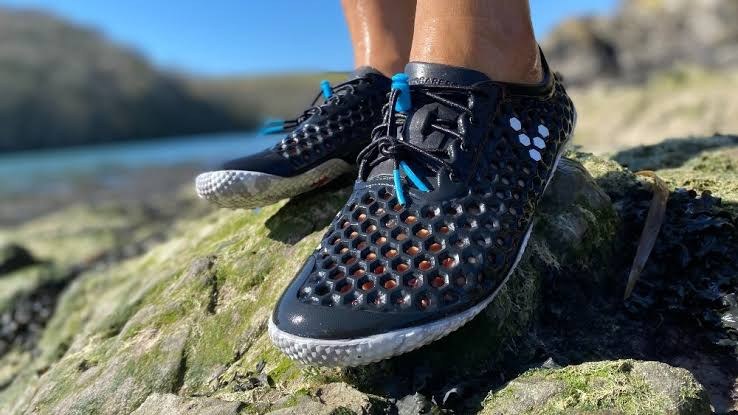
- Hikers who value ground feel on well‑maintained trails. For day‑hikes on forest paths, coastal walks, or moderate elevation gain, the shoe’s traction and lightweight design provide a balance of protection and sensory feedback.
- Everyday wearers seeking lightweight, flexible shoes for city life. Commuters who walk long distances, stand in line at work, or navigate public transit will appreciate the reduced fatigue that comes from a shoe that lets the foot move naturally.
- Parents looking for minimalist options for children’s developing feet. The wide toe box, breathable uppers, and flexible sole support natural foot development without restricting growth.
- Eco‑conscious shoppers who prefer brands with a sustainability focus. If you track the environmental impact of your wardrobe, Vivobarefoot’s use of recycled and renewable materials aligns with a low‑impact lifestyle.
- Fitness enthusiasts who incorporate varied activities—such as functional training, cross‑training, or low‑impact cardio—into their routine. The shoes transition well between different movement patterns.
May not be suitable for:
- Individuals with specific orthotic needs that require deep arch support or custom foot plates. While some users can adapt the shoe to accommodate a thin insert, the minimalist construction may not provide enough structure for complex orthotic devices.
- Those who prefer heavy cushioning or maximalist shoes for high‑impact activities such as long‑distance road marathons, where extensive shock absorption is a primary concern.
- People who need robust protection for extreme off‑road climbing, rock scrambling, or activities involving sharp debris, as the thin sole offers less barrier against punctures.
- Individuals with pre‑existing foot conditions that demand a highly supportive shoe—such as severe plantar fasciitis—should consult a medical professional before switching to a minimalist style.
- Shoppers seeking highly stylized fashion sneakers with bold, trend‑driven aesthetics; Vivobarefoot leans toward functional design over runway‑inspired silhouettes.
Buying Checklist
- Identify your primary activity. Vivobarefoot’s catalogue is organised around the way you intend to use the shoe. If you are a runner, look for models that emphasise lightweight construction, a low‑profile outsole and a flexible forefoot that lets the foot roll naturally. If you spend most of your time on the trail, the hiking line adds reinforced toe caps, a slightly sturdier mid‑sole and a tread pattern that still preserves ground feel while offering protection against rocks and roots. For everyday wear, the casual trainers and lifestyle shoes blend the brand’s minimalist philosophy with a design that pairs easily with jeans, work‑wear or athleisure. Understanding the activity first narrows the field and prevents you from purchasing a shoe that feels “wrong” for the terrain or the demands of your routine.
- Measure both length and width accurately. The brand’s hallmark is a generous toe box that allows the toes to splay naturally. Because the silhouette is often wider than conventional shoes, people with narrow feet sometimes need to go up a half size or select a model with an adjustable lacing system. Use a ruler or a dedicated foot‑measuring tool, stand on a hard surface, and record the longest distance from heel to toe as well as the widest point across the ball of the foot. When you compare those numbers to the brand’s size chart (which varies by model), you’ll get a clearer idea of whether you need a standard fit or a slightly larger option.
- Match the shoe to the terrain you’ll encounter. Minimalist shoes excel when the ground is relatively even, but Vivobarefoot acknowledges that not every surface is created equal. For paved city streets, a thin, flexible sole provides an excellent proprioceptive cue without excessive wear. For uneven, rocky trails, the hiking collection incorporates additional protective layers on the toe and a tread that still remains thin enough for sensory feedback. If you anticipate a mix of surfaces—say, a commute that includes both sidewalks and occasional park paths—consider a versatile model that balances protection and flexibility, or keep a second pair for more demanding off‑road days.
- Verify the sustainability credentials. One of the brand’s core promises is environmentally conscious production. When you view a shoe on the official site, look for tags or icons that indicate the use of recycled polyester, bio‑based leather alternatives, or responsibly sourced rubber. These markers can differ between collections, so it’s worth checking the product description for details about the exact materials. If the sustainability information is not immediately visible, the site usually offers a “materials” tab that outlines the composition of the upper, lining and sole.
- Plan a realistic transition period. Your feet have likely spent years in cushioned, structured shoes. Switching to a thin, flexible sole can place new demands on the intrinsic foot muscles, the plantar fascia and the Achilles tendon. Start with short, low‑impact activities—such as a 15‑minute walk around the neighbourhood or a brief indoor circuit—then gradually increase the duration and intensity. A practical rule of thumb is to add no more than 10 % of total weekly mileage each week. This approach reduces the risk of soreness, helps you gauge how your feet adapt, and makes the overall experience more enjoyable.
How to Transition to Minimalist Shoes
Moving from a conventional, heavily cushioned sneaker to a minimalist design is a shift in both biomechanics and mindset. The following framework offers a step‑by‑step guide that blends practical timelines with specific exercises, so you can build confidence and strength while preserving foot health.
- Start Small and Safe. Begin by wearing your Vivobarefoot shoes for 15‑30 minutes in a familiar, flat environment—your living room, a quiet hallway, or a level park path. During this phase, focus on how your foot lands. Notice the immediate feedback from the ground and pay attention to any areas of tightness, especially in the forefoot and calf.
- Gradual Incremental Increases. Each subsequent day, add 5‑10 minutes to the total wear time. If you feel any lingering soreness after a session, maintain that duration for another day before extending further. Over a two‑week period, you might progress from short walks to light jogs of 5‑10 minutes, always on even surfaces.
- Incorporate Targeted Foot‑Strengthening Exercises. While the shoes themselves encourage natural movement, supplementing with specific drills accelerates adaptation:
- Toe Curls: While seated, place a small towel on the floor and use your toes to scrunch it toward you. Perform 2 sets of 10‑15 repetitions per foot.
- Heel Raises: Stand on a step with the balls of your feet on the edge, raise onto the toes, then slowly lower below the step level. Aim for 3 sets of 12‑15 reps.
- Short‑Foot Drills: While standing, keep the heel and little toe grounded and pull the metatarsal heads toward the arch, creating a “short foot.” Hold for 5 seconds, repeat 10‑12 times.
These exercises develop the intrinsic muscles that support the arch and improve balance, making the transition smoother.
- Listen to Your Body and Adjust Accordingly. Discomfort such as sharp pain, tingling or persistent soreness is a sign to back off. Instead of pushing through, reduce the session length, focus on additional strengthening work, or switch temporarily to a more cushioned shoe for a day or two. Over‑training can lead to plantar fasciitis or calf strain, which defeats the purpose of a healthier foot.
- Strategically Alternate with Traditional Footwear. During the first month, consider a “split‑day” schedule: wear minimalist shoes for morning walks and switch to a familiar cushioned pair for the afternoon or evening. This alternating pattern gives the foot periods of recovery while still exposing it to the sensory benefits of barefoot‑style shoes.
- Progress to Varied Surfaces. Once you can comfortably complete a 20‑minute run on a flat surface, introduce gentle variations—grass, packed dirt, or a soft trail. These textures challenge the foot’s stabilising muscles without overwhelming them. Avoid steep inclines or uneven rocky terrain until you feel confident in your foot strength and proprioception.
- Re‑evaluate Footwear Choice Periodically. After a month or two of consistent use, assess whether the current model meets your needs. If you notice excessive wear on the outsole, or if the toe box feels restrictive after a growth spurt (for children), it may be time to select a different style within the Vivobarefoot range that better aligns with your activity level.
FAQ
- 1. Are Vivobarefoot shoes truly barefoot?
- They are engineered to deliver a barefoot‑like sensation while still providing a thin protective sole. The degree of “barefoot‑ness” changes between models; some prioritize maximum ground feel, whereas others add a modest layer for durability.
- 2. Do the shoes have any arch support?
- The design offers minimal artificial support, encouraging the foot’s natural arch to work. Individuals who rely on strong orthotic support may need to insert custom insoles, though many find that the foot’s intrinsic muscles strengthen over time.
- 3. How durable are the soles?
- Durability is linked to the type of activity and surface. Thin, flexible soles excel on smooth pavements but may wear more quickly on abrasive gravel or sharp rocks. For extensive trail work, the hiking line includes reinforced sections that extend lifespan while preserving flexibility.
- 4. Are the shoes waterproof?
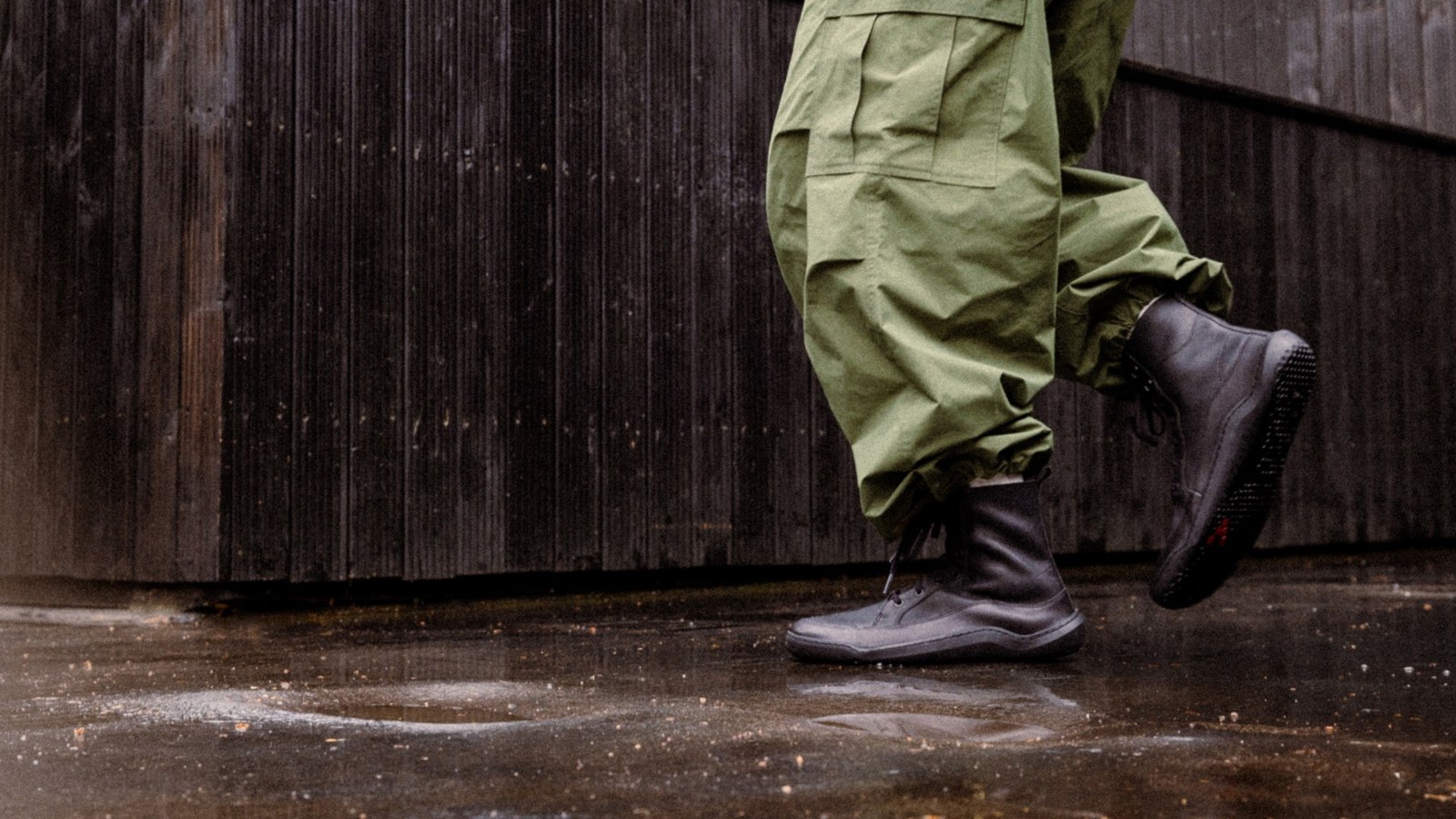
- Some models feature water‑resistant treatments or breathable membranes, but they are not fully waterproof. If you anticipate heavy rain or wet stream crossings, verify the specific product’s description for water performance.
- 5. Can I use them for formal occasions?
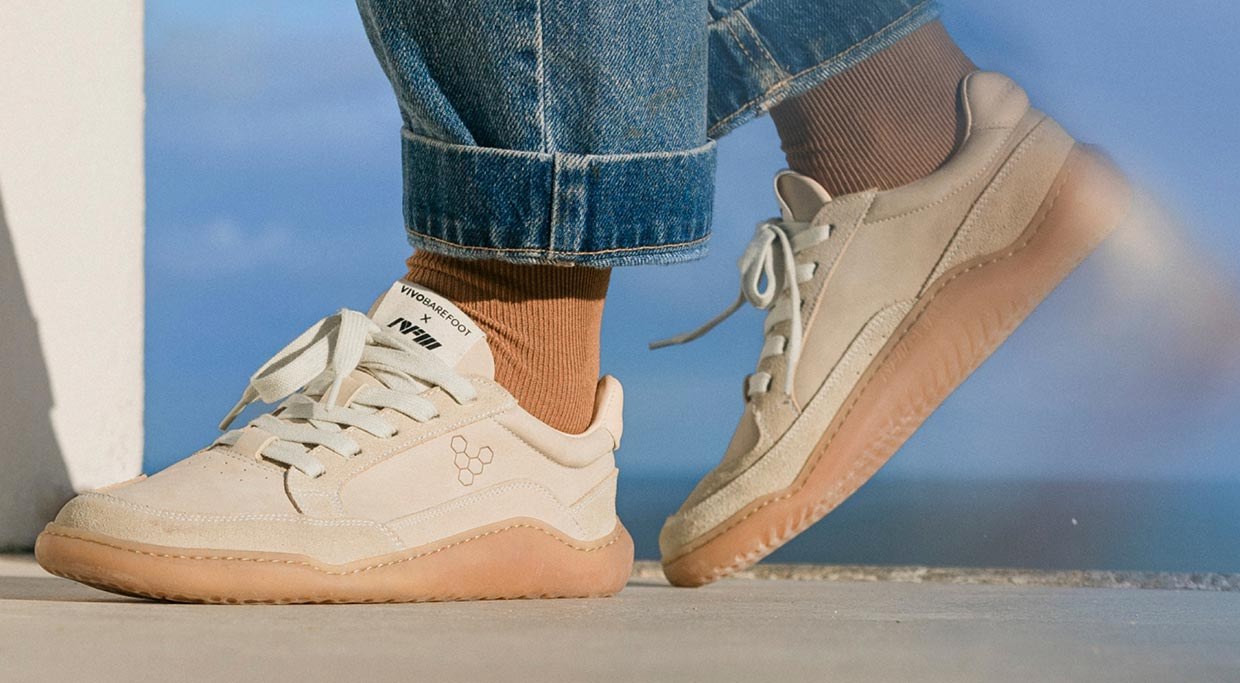
- The brand’s casual and everyday trainers have a sleek silhouette that can complement smart‑casual attire, especially when paired with tailored trousers or a blazer. However, the overall aesthetic remains sport‑oriented, so they may not replace traditional dress shoes for very formal events.
- 6. Are there options for children?
- Yes, Vivobarefoot offers a full children’s line that mirrors the adult philosophy—wide toe boxes, thin soles and a focus on natural foot development. Sizes range from toddler to early teen, and the designs incorporate playful colours while staying true to minimalist construction.
- 7. How do I care for the shoes?
- Spot‑clean with a damp cloth and mild soap if needed. Avoid machine washing, as agitation can damage the delicate sole. For models without leather, a soft brush can remove surface dirt. Allow the shoes to air dry naturally; direct heat sources may warp the flexible outsole.
- 8. Where can I find the most up‑to‑date product list?
- Visit the official Vivobarefoot website; the catalogue changes seasonally and may vary by region. The site provides filters for activity type, gender, and sustainability attributes, making it easy to locate the newest releases.
Conclusion
Vivobarefoot delivers on its promise of lightweight, flexible shoes that let you reconnect with the ground while respecting the planet. Whether you’re a runner looking for a more natural stride, a hiker who values ground feel, or a parent seeking healthy footwear for a child, the brand offers a well‑rounded portfolio that aligns with a minimalist philosophy. If you’re ready to experience a shoe that encourages natural foot movement and sustainable practices, explore the collection at Vivobarefoot and take the first step toward a freer, healthier walk.